
Article
What happens inside an automated Device Care Center?
What happens after a smartphone is traded in, returned, or upgraded?
For millions of devices each year, arriving at an Assurant Device Care Center is only the beginning. Each device must be received, evaluated, and directed toward the right outcome based on its condition and program requirements. Assurant processes 20 million devices annually across eight global DCCs, making automation essential to managing that complexity at scale.
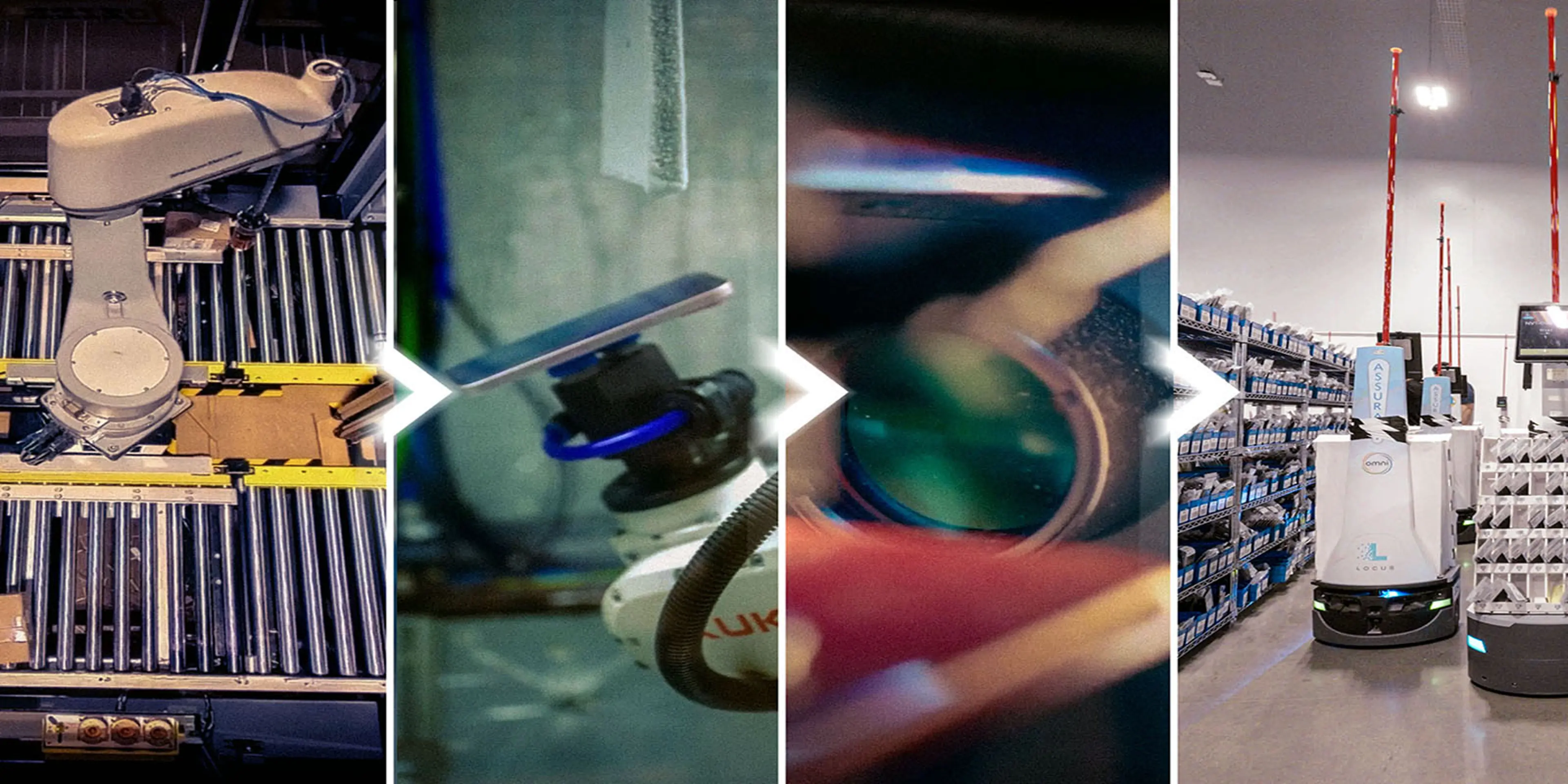
But device lifecycle automation isn't a single machine or process. It connects hardware, software, and operational expertise across the device journey, from the moment a package arrives through inspection, testing, data sanitization, and inventory fulfillment.
In the videos below, Skylar Raney, manager of Assurant’s Global Automation Engineering Program, takes us inside the Nashville DCC to show how that process works, walking through the technology and automation that help move returned devices toward their next opportunity.
1. Routing returned devices to the right program
Devices arriving at the DCC can come through a variety of return channels, from individual customers mailing in their phones to devices coming back through stores. With multiple client programs moving through the same facility, each package needs to start in the right place.
That’s where the six-sided scan tunnel comes in. As packages enter the facility, the tunnel captures the tracking number, giving the system the information it needs to route each package to the correct client program.
Starting with the right routing helps make sure each device follows the correct process as it moves through the DCC.
2. Opening device packages with automation
Once a package has been routed, the next step is getting the device out of the box and into processing. With so many packages coming through the DCC, opening them one by one is another task where automation helps keep things moving.
Automated box cutters called CASi-IBOD (intelligent box-opening devices) open each package while keeping the shipping label intact. That label contains information that stays with the return as it makes its way through the DCC.
Once the boxes are open, employees take it from there, removing the devices so they can continue through the DCC.
3. Cleaning devices for cosmetic evaluation
Before a device can be evaluated, it needs to be cleaned.
Fingerprints, smudges, and other surface contaminants can obscure scratches or be mistaken for cosmetic defects. The robotic OmniClean system uses dry ice cleaning to remove these materials without creating chemical cleaning waste.
With a clean surface, the device is ready for a closer look at its cosmetic condition.
4. Grading devices with AI and computer vision
With fingerprints and smudges removed, the device is ready for cosmetic grading. The grade it receives can influence what happens next and the value that can be recovered from it.
At the DCC, the Assurant Vision Tunnel captures 46 images of each device. Internally developed artificial intelligence and machine learning then analyze those images to identify cosmetic defects and assign a grade.
Combining detailed imaging with AI helps make cosmetic grading more consistent while creating a visual record to support the assessment. That gives partners greater confidence in grading decisions and helps each device move toward an outcome appropriate for its condition and value.
5. Testing device functionality and sanitizing consumer data
Cosmetic condition is only part of determining whether a device is ready for reuse. It also needs to function as expected, and the previous owner's personal information needs to be removed.
Automated functional testing checks key device features like cameras, speakers, and microphones to help determine the appropriate next step. Data sanitization then helps protect consumer information before the device moves forward.
That combination is particularly important for devices that will eventually enter the secondary market. Assurant research found that 73% of consumers said security and privacy concerns hold them back from purchasing a certified pre-owned device.
Consistent testing and secure data sanitization can help address both sides of the reuse equation: confidence in the device for its next owner and protection of the previous owner's information.
6. Preparing devices for inventory
With evaluation and testing complete, the device is almost ready to begin its next life. A few final steps make sure it has the information it needs before leaving the processing line.
The device is shrink-wrapped and given a final label with key details, including its model, color, and capacity. Keeping that information with the device makes it easy to identify after processing is complete.
Once the final information is in place, the device is ready to move into the inventory.
7. Moving device inventory with autonomous robots
Moving devices into and out of inventory can require significant travel across a large DCC. Autonomous mobile robots, or AMRs, change how that work moves through the facility.
Instead of requiring operators to travel back and forth to inventory locations, the robots do the traveling. They support device put-away and order picking, bringing devices between inventory and employees working within the process.
This approach reduces operator travel while helping devices move efficiently through inventory and toward fulfillment.
Device lifecycle automation connects the journey
Every step inside the DCC is part of a connected system designed to help devices move efficiently toward the right outcome. By bringing engineering, software, automation, and operations together, Assurant can continually adapt and improve that system as devices, volumes, and client needs evolve.
Want to learn more about the expertise behind this approach? Read our Q&A with Assurant automation experts Pete Bremer and Skylar Raney.

Assurant Editorial Team
The Assurant Editorial Team shares stories that inspire and empower, helping you unlock opportunities and stay ahead with the latest research and insights. Assurant is a premier global protection company that partners with the world's leading brands. As a Fortune 500 company operating in 21 countries, we leverage data-driven technology solutions to provide exceptional customer experiences.